
The Center for Educational Technologies (CET) is proud to share a recent peer-reviewed publication highlighting one of our anatomy-focused instructional innovations. This research documents the design, implementation, and evaluation of an interactive anatomy learning tool created through collaboration between educators, instructional designers, and subject-matter experts at Texas A&M University.
You can read the publication here:
https://doi.org/10.1080/17453054.2025.2600954
Addressing Challenges in Anatomy Education
Anatomy is inherently spatial, visual, and complex. Traditional instructional approaches—such as textbooks, static diagrams, or lecture-based delivery—can make it difficult for learners to fully understand relationships between anatomical structures.
Educational research increasingly shows that interactive and simulation-based learning environments can improve conceptual understanding, engagement, and learner confidence, particularly when teaching complex biomedical content. (PMC)
Recognizing these challenges, the CET team worked with faculty partners to design an instructional tool that allows students to interact with anatomy content in ways that support visualization, exploration, and applied learning.
Designing an Interactive Anatomy Tool
The anatomy learning tool described in this publication reflects CET’s mission to transform instructional materials into interactive, learner-centered educational experiences. The Center regularly collaborates with faculty and researchers to develop digital resources that address real classroom challenges and improve learning outcomes. (tamucet.org)
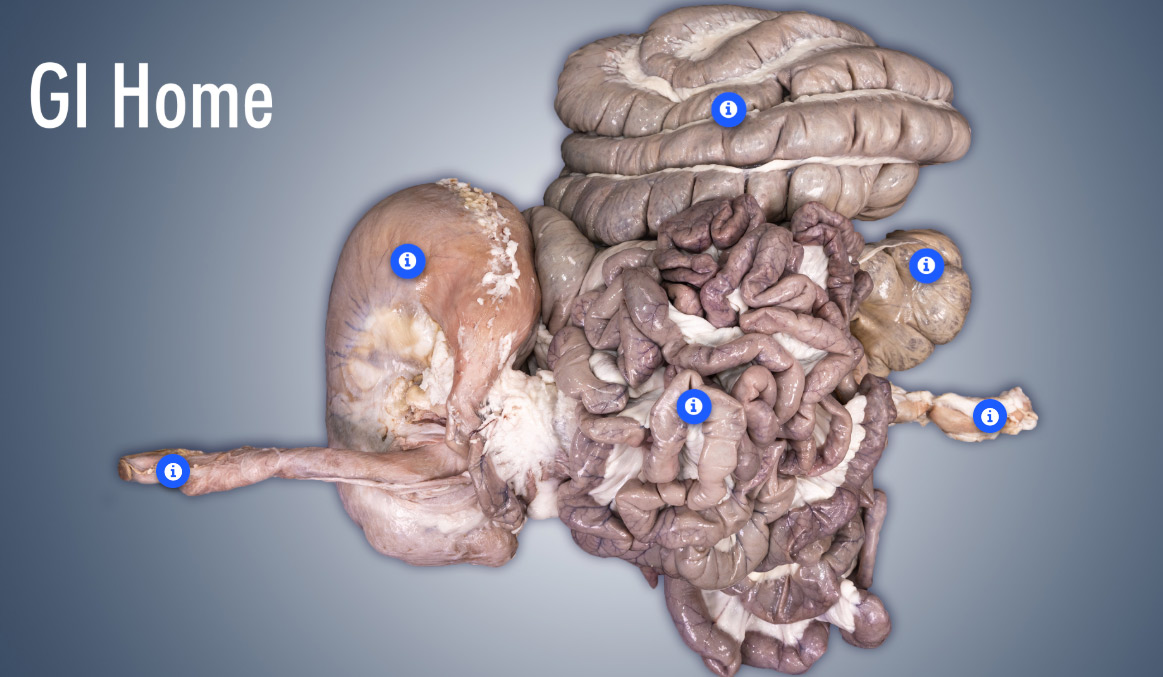
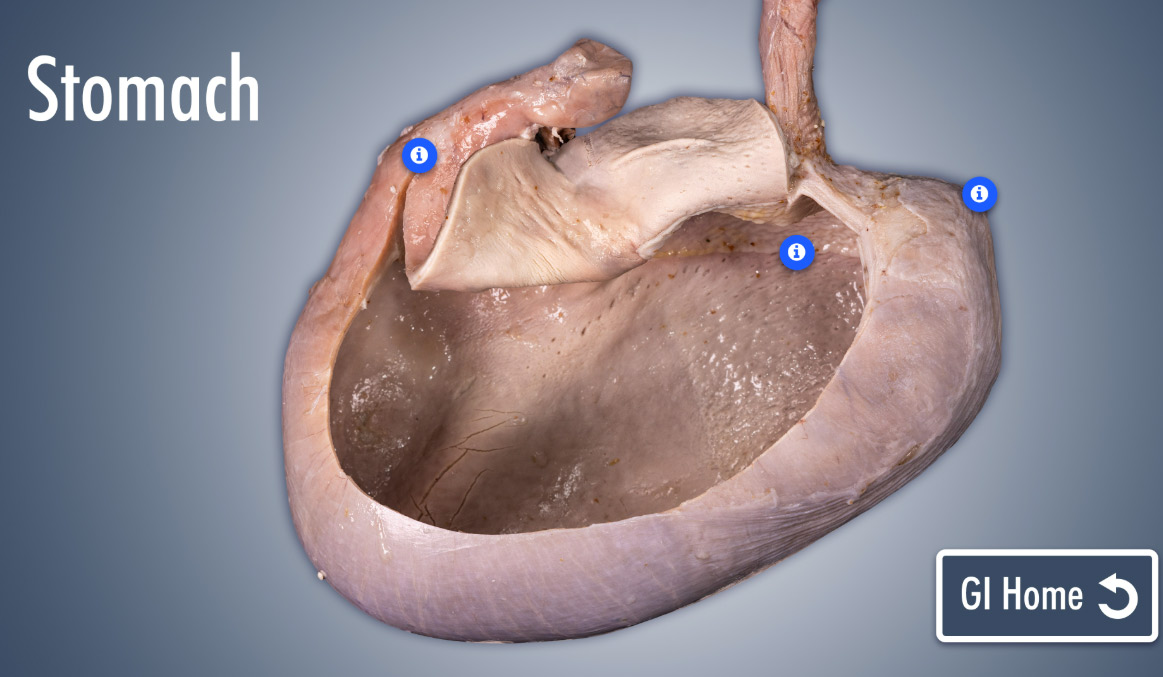
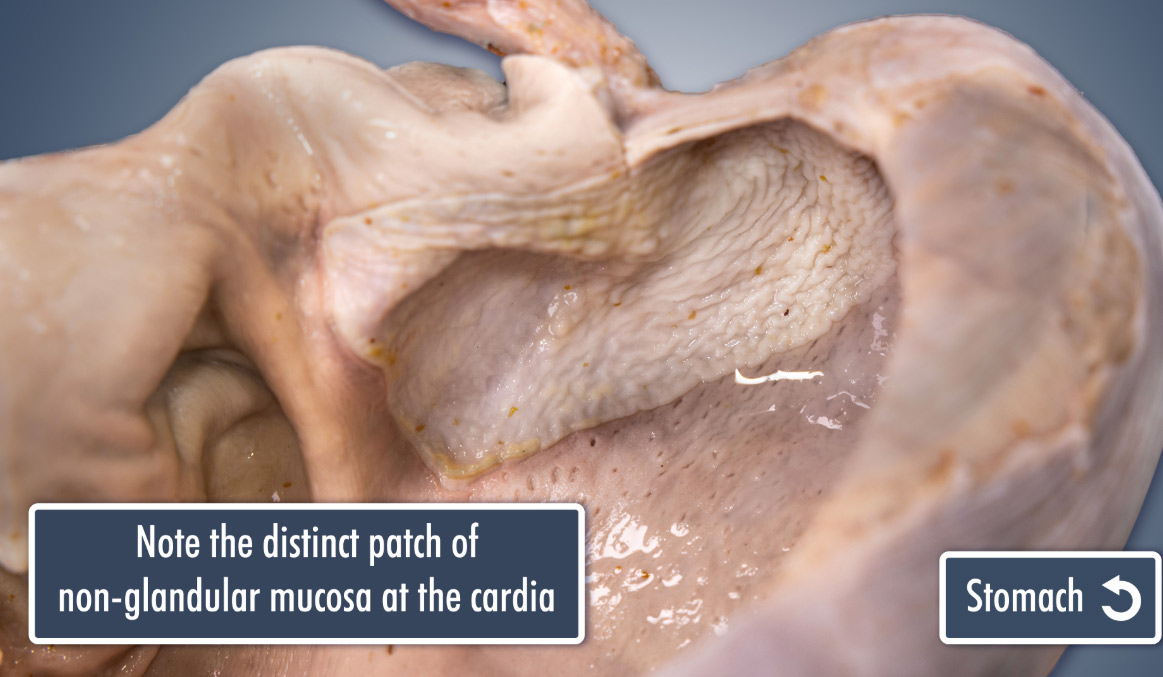
This project focused on:
- Translating complex anatomical content into interactive learning experiences
- Supporting multiple learning modalities through visual and exploratory design
- Creating reusable instructional resources that faculty can integrate into existing curricula
- Evaluating student engagement and learning outcomes
By combining instructional design principles with educational technology development, the team produced a tool that aligns with contemporary approaches to anatomy education.
Contributing to the Scholarship of Teaching and Learning
Publishing this work represents an important step in CET’s commitment to evidence-based educational innovation. Beyond building tools, the Center evaluates how technology-enhanced learning environments impact student understanding and instructional practice.
This publication contributes to the broader field of technology-enhanced learning by demonstrating how thoughtfully designed digital tools can support anatomy instruction and improve the learner experience.
It also reflects CET’s ongoing role within the College of Veterinary Medicine & Biomedical Sciences in supporting faculty through:
- Instructional design partnerships
- Multimedia and interactive content development
- Learning-experience research and evaluation
- Accessible and scalable educational solutions
Looking Ahead
As anatomy education continues to evolve, CET remains committed to developing tools that help learners engage deeply with complex scientific concepts. This publication reinforces the importance of pairing innovative instructional technologies with rigorous educational research to ensure that new tools meaningfully improve teaching and learning.
We are grateful to our faculty collaborators, students, and CET team members who contributed to this project. Their work continues to advance the intersection of anatomy education, instructional design, and educational technology.