
Veterinary students are expected to make sense of complex medical information long before they enter full-time clinical practice. They must learn to recognize patterns, weigh diagnostic options, interpret patient data, and decide what to do next. A recent publication by Dr. Nicola Ritter, Dr. Johanna Heseltine, and the Center for Educational Technologies at Texas A&M University highlights how thoughtfully designed online case studies can help students build confidence in those critical clinical reasoning skills.
The article, “Impact of Adaptive Case-Based Learning on Clinical Reasoning Confidence in Pre-Clinical Veterinary Students,” was published in the Journal of Veterinary Medical Education. The study examined how adaptive, case-based learning modules influenced veterinary students’ confidence as they worked through realistic kidney disease scenarios before entering the clinical phase of their education.
About the Researchers and CET
Dr. Ritter, Instructional Associate Professor and Director of the Center for Educational Technologies, focuses her scholarship on veterinary education research, educational technology research, and educational program evaluation. Dr. Johanna Heseltine is a clinical associate professor in the Texas A&M School of Veterinary Medicine & Biomedical Sciences’ Department of Small Animal Clinical Sciences, where she teaches and mentors veterinary students in small animal internal medicine. The Center for Educational Technologies develops, implements, and evaluates innovative educational tools and online resources for veterinary learners, including continuing education and adaptive case-study packages.
Study Methodology and Focus
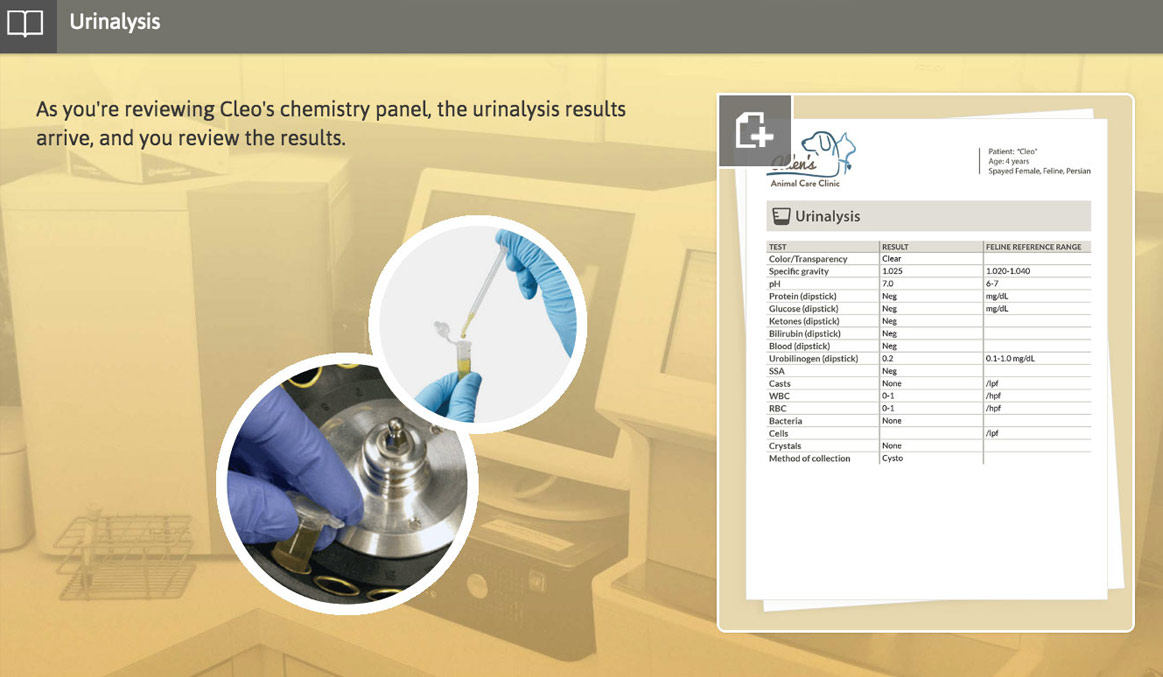
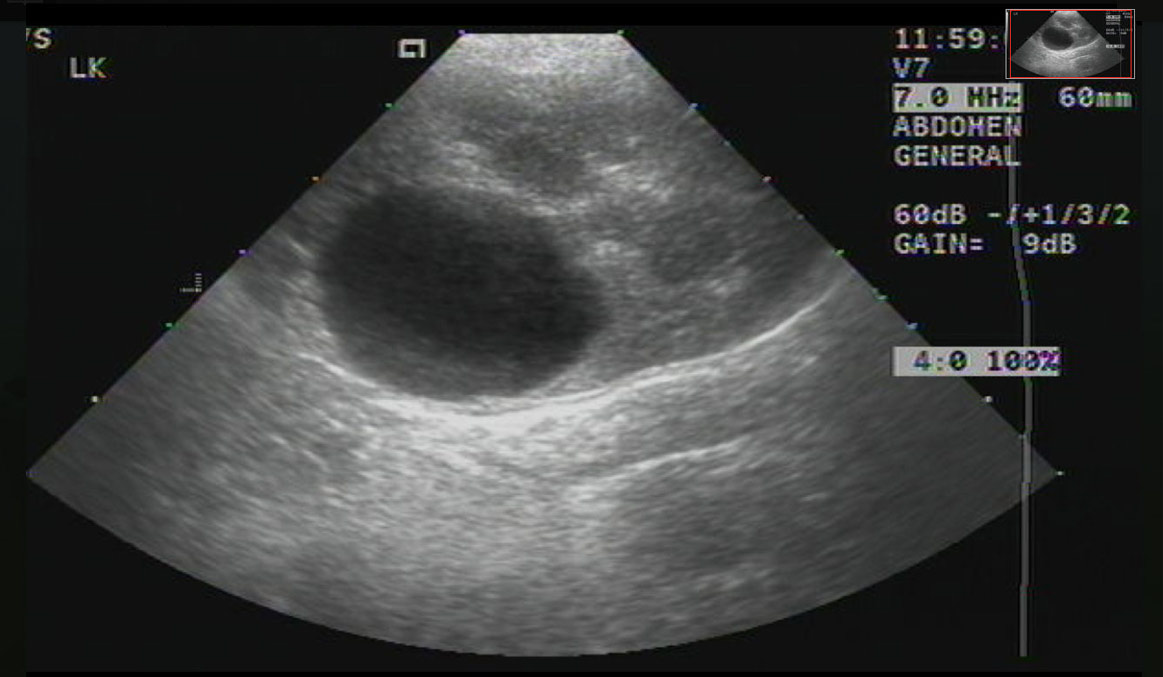
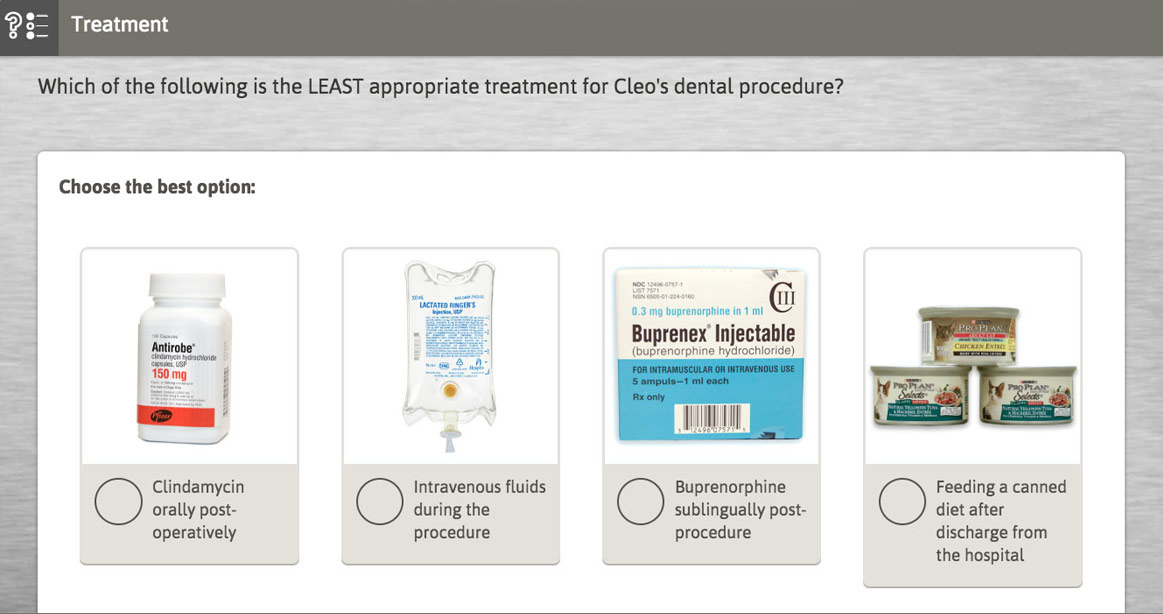
The study centered on adaptive case studies in acute and chronic kidney disease. These cases asked students to move beyond memorizing facts and instead practice the type of decision-making veterinarians use in real clinical settings. Students worked through progressively complex case levels, moving from foundational knowledge toward more advanced clinical reasoning. Along the way, they received structured learning support and opportunities to apply prior coursework to patient-centered problems.
Findings and Educational Impact
To evaluate the educational impact, the research team measured students’ confidence before and after completing the adaptive case-based learning experience. A total of 112 students consented to participate in the confidence survey, and 82 students had matched pre- and post-survey responses that could be analyzed. The researchers used paired statistical analyses to determine whether students’ confidence changed after completing the learning modules.
The findings were encouraging: students reported increased confidence in clinical reasoning after completing the adaptive cases. For veterinary educators, this matters because confidence is not simply about feeling better; it can influence how students approach problem-solving, persist through uncertainty, and prepare for clinical training. The cases gave students a structured, low-risk environment where they could practice thinking like clinicians before they were responsible for real patient care.
The study also reflects a broader movement in veterinary education toward active, technology-supported learning. Prior studies in veterinary education have noted growing interest in adaptive learning as a way to augment clinical teaching, while also emphasizing the need for more evidence about how these tools affect student learning and perceptions. (PubMed) This publication adds to that evidence base by focusing specifically on preclinical students and their confidence in clinical reasoning.
For CET, the work also demonstrates the value of pairing subject-matter expertise with instructional design and educational technology. Dr. Heseltine and veterinary content experts brought clinical knowledge of kidney disease and student learning needs, while CET contributed expertise in online learning design, adaptive case structure, learner experience, and educational evaluation. Together, the team created a resource that was not only content-rich but also intentionally designed to support how students learn.
The implications extend beyond a single course or disease topic. Adaptive case-based learning can be especially valuable in professional programs where students must bridge the gap between classroom learning and clinical application. By allowing students to practice decision-making, receive feedback, and revisit concepts in a structured online environment, these tools can help prepare learners for the uncertainty and complexity of clinical practice.
Ritter said, “Ultimately, the study reinforces a simple but important idea: students benefit when educational technology is designed around how professionals actually think and work. By giving veterinary students meaningful practice with realistic cases, adaptive learning can help them build confidence, strengthen reasoning skills, and enter clinical training better prepared to care for patients.”
This work is part of CET’s larger mission to advance veterinary education through accessible, engaging, and evidence-informed learning resources. Texas A&M’s CET has developed multiple veterinary education resources, including chronic kidney disease and acute kidney injury adaptive case study packages.